Year: 2038
City need: Winter-proof mobility and a new use for Buffalo’s aerospace workforce
Signals used: Hybrid Flying Vehicles Enter Commercial Production (Sep 29) · Electric Flying Car Racing Emerges (Sep 27) · Autonomous Delivery Drones Disrupt Residential Environments (Sep 26) · Smart Rail Digitalization Enhances Infrastructure (Sep 15)
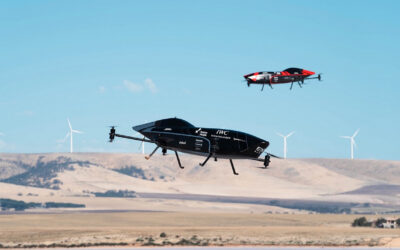
In 2038, the world’s top electric vertical take-off and landing (eVTOL) racing series runs its summer finale over the Outer Harbor and up the Niagara Gorge, and about 80,000 people come to watch. Buffalo won the event because it could offer what other cities could not: aerospace engineers and machinists whose families have built aircraft here for a century, empty industrial land for test facilities, and a city that wanted to be known for something other than snow. The racing series pulled in suppliers, and within a few years a cluster of firms was building batteries, flight controllers, and vertiport hardware in Cheektowaga, Lackawanna, and Niagara Falls. Road-legal flying cars from the first commercial production lines now operate from small airfields in Lancaster and Orchard Park, and a few owners commute from the southern suburbs to the Medical Campus.
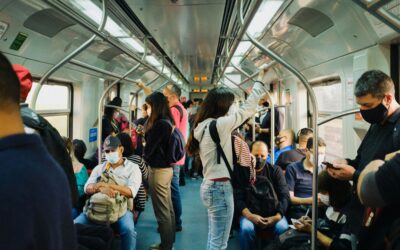
The part that surprises visitors is how ordinary the rest of it has become. Autonomous delivery drones carry prescriptions and groceries to neighborhoods with poor transit, and a digital, sensor-equipped rail line along the old Belt Line corridor moves freight and commuters at the same time. Buffalo’s most useful trick has been to treat aerial and ground transport as one system, so that when lake-effect snow closes the Skyway, delivery drones and rail keep running. The city sells itself as the hardest place to test aircraft in winter and therefore the best.
The tensions are about noise, safety, and fairness. Residents under delivery drone routes have organized “quiet zone” campaigns, and the city’s first quiet-hours ordinance was won on the West Side. A crash during a 2036 qualifying race, which ended in the lake without casualties, led to a new rule that all racing stays over water. Critics note that most flying-car owners live in the suburbs while the neighborhoods under the drone lanes bear the noise. Lake-effect storms also ground small aircraft for days at a time, which undercuts the “winter-proof” claim. The city is now deciding whether aerial mobility should be a public service, like the buses, or a private luxury with public costs.