Mid-term · 2028–2035
Plausible
Electric Propulsion Enables Short-Range Flight
Transportation & Mobility · Place & Environment · Scanned 2026-10-16
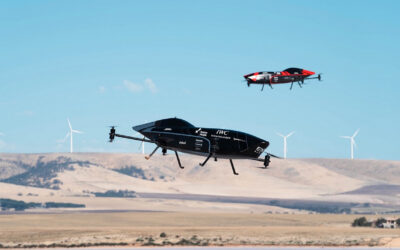
The recent unveiling of a prototype electric sports car equipped with SpaceX-derived cold-gas thrusters marks a shift in automotive engineering, moving from traditional ground-based travel toward limited, short-range aerial capabilities. The vehicle utilizes high-pressure air tanks to achieve rapid acceleration and brief periods of flight, challenging long-standing conventions regarding vehicle weight, safety, and aerodynamics.
For regions like the Buffalo-Niagara area, this development signals a potential future where personal mobility intersects with aerospace technology. However, the transition from a controlled test facility to public roads and skies faces immense challenges, including the need for new air traffic management systems, rigorous safety certifications, and the reconciliation of traditional automotive safety standards—such as crumple zones and steel bumpers—with the requirements of flight-capable hardware.
Main Drivers
Integration of aerospace propulsion in consumer vehicles
Advancements in high-pressure air thruster technology
Shifting regulatory frameworks for aerial mobility
Consumer demand for high-performance, multi-modal transport
Projected Scenarios
Plausible
Buffalo Becomes Hub for Aerial Commuter Tech
Local manufacturing firms in the Buffalo Niagara Medical Campus partner with aerospace startups to retrofit electric vehicles with thruster tech. Commuters begin utilizing the Niagara River corridor as a low-altitude flight path to bypass congestion on the I-190 during peak hours.
Buffalo transforms from a rust-belt logistical center into a specialized corridor for regional electric aviation manufacturing and testing.
Probable
Safety Regulations Ground Aerial Vehicle Ambitions
The FAA and NYSDOT impose strict altitude and licensing bans after a string of incidents in the North Buffalo area. Investment in thruster-equipped vehicles dries up as insurance premiums skyrocket, forcing the technology back into closed-course testing facilities.
Buffalo retains its traditional ground-based transit focus, leaving local aerospace enthusiasts to watch the industry shift to sunnier, less regulated markets.
Probable
Niche Thruster Tech Remains Industrial Curiosity
Cold-gas thrusters are relegated to high-end hobbyist gear for enthusiasts gathering at private airfields outside of Clarence and Akron. The technology never scales to public roads, remaining a background novelty rather than a legitimate transportation solution.
Buffalo’s infrastructure continues to face the same aging bridge and road maintenance cycles without the distraction of aerial traffic management.
Possible
The Sky-Bridge Crisis Challenges Urban Zoning
A sudden proliferation of unauthorized ‘jump-capable’ consumer vehicles leads to mid-air collisions over Delaware Park. City Hall is forced to implement a radical, three-dimensional zoning ordinance that bans all non-commercial propulsion flight over residential historic districts.
Buffalo must fundamentally rewrite its urban planning codes to manage 3D airspace rights, sparking massive legal battles between private homeowners and transit tech corporations.
🔀 Cross-Impact Analysis
×
Public Transit Mitigates Household Financial Strain
Counteracting
The emergence of high-performance flight-capable personal vehicles likely prioritizes individual speed over collective efficiency, potentially siphoning resources away from critical NFTA public transit improvements. In the Buffalo-Niagara region, this risks deepening the mobility divide between those who can afford experimental aerial technology and households struggling with rising fuel costs who rely on traditional bus and rail infrastructure.
×
Personal Electric Aviation Gains Regulatory Momentum
Reinforcing
Regulatory momentum for personal aviation provides the necessary legal scaffolding to normalize the operation of cold-gas thruster vehicles in Western New York’s airspace. As the FAA modernizes standards for special airworthiness, local authorities in Buffalo may find themselves better equipped to integrate these hybrid road-air vehicles into regional transit corridors, effectively accelerating the timeline for multi-modal personal transport.
×
Autonomous Drones Disrupt Ground Logistics
Transforming
The integration of aerial thruster technology into consumer vehicles could catalyze a shift from surface-level logistics to a three-dimensional delivery network in cities like Buffalo. This could transform ground-based freight challenges, such as I-190 congestion, into a more complex air-traffic management issue that necessitates regional coordination between drone logistics providers and new personal flight-capable commuters.
×
Premium Rail Travel Experiences Expand
Transforming
The juxtaposition of premium, slow-paced rail travel with hyper-fast personal aerial propulsion creates a dual-tier transit landscape for the Niagara region. While rail travel serves the tourism sector by showcasing regional landscapes, the aerial thruster vehicles could redefine business commuting for executives, creating a bifurcated experience where the speed of arrival competes with the luxury of the journey.
×
Electric Flying Car Racing Emerges
Reinforcing
The rise of eVTOL racing turns the Buffalo-Niagara region into a testing ground for experimental aerodynamics, drawing aerospace talent to local engineering firms and universities. This racing circuit validates the propulsion technology in the primary signal, normalizing public perception and fostering a regional culture centered on aerospace-automotive convergence.
×
Autonomous Delivery Drones Disrupt Residential Environments
Counteracting
The noise and safety concerns surrounding residential drone deliveries may generate public backlash that hinders the local adoption of loud, cold-gas thruster-equipped cars. Residents in quiet neighborhoods, such as those in Amherst or the Elmwood Village, might advocate for strict urban zoning laws that counteract the primary signal’s push for widespread, low-altitude aerial mobility.
🌊 Cascading Implications
Sources & Links
Buffalo Signals Laboratory · Transportation & Mobility