
Near-term · 2026–2029
Probable
Standardized Cold Chain Logistics Expands
Transportation & Mobility · Place & Environment · Scanned 2026-07-17
The solidification of global standards for the transport of pharmaceuticals, perishables, and live animals—evidenced by major carriers renewing IATA CEIV certifications through 2029—marks a shift toward highly regulated, specialized logistics. This trend emphasizes the integration of digitalization and sustainability into cargo handling, ensuring that sensitive temperature-controlled goods and live cargo meet rigorous safety and quality benchmarks across global supply chains.
For the Buffalo-Niagara region, this strengthening of international logistics standards directly impacts the local ‘Cross-Border Economy’ and ‘Health & Life Sciences’ sectors. As global players institutionalize these protocols, regional logistics hubs and transit facilities in Western New York must align with these high-integrity standards to remain viable nodes in the international trade of medical supplies and agricultural products. This creates both a pressure to upgrade regional infrastructure and an opportunity for WNY to position itself as a certified-ready corridor for high-value cargo moving between the U.S. and Canada.
The focus on sustainability and digitalization within these certifications suggests that future logistics growth in the region will be tied to ‘Smart’ infrastructure. For Buffalo’s manufacturing and biotech firms, the expansion of these standardized air cargo networks reduces transit risk and supports the local export economy by providing more reliable, high-standard pathways to international markets.
Main Drivers
Pharma supply chain security
Global standardization of animal welfare
Digitalization of logistics tracking
Demand for high-integrity perishable transport
Projected Scenarios
Probable
Buffalo Becomes High-Integrity Cross-Border Logistics Hub
The Buffalo Niagara International Airport and regional industrial corridors like the Riverbend site accelerate investment into climate-controlled, sensor-enabled warehousing. Local biotech companies and agricultural exporters rapidly adopt CEIV certification, transforming the region into a premium, secure pipeline for time-sensitive cargo between the U.S. and Canada.
Buffalo cements its role as a critical, high-value node in North American trade, shielding the local economy from lower-tier logistics competition.
Plausible
Logistics Standardization Fails to Gain Traction
The high costs of upgrading facilities and implementing digital tracking systems stall, as Western New York firms opt for cheaper, traditional shipping methods instead. Regulatory interest wanes, leaving regional logistics hubs like the Niagara Falls transit facilities behind as international competitors bypass the area for more digitized corridors.
WNY risks becoming a low-cost, low-tech bypass rather than an essential partner in the modern, regulated global supply chain.
Probable
Steady Growth In Regional Cold Chain Capacity
Logistics providers and major employers in the Buffalo Medical Campus maintain existing infrastructure without significant radical upgrades. Cold chain logistics remains a functional but uncelebrated utility, providing steady service to local food producers and medical suppliers without reaching the status of a major regional economic engine.
The region maintains its current competitive position, benefiting from steady demand but missing out on high-growth opportunities within the life sciences sector.
Possible
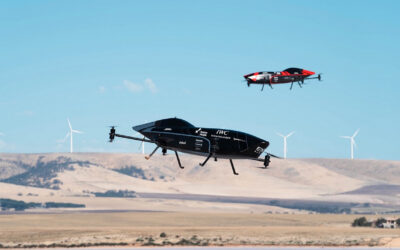
Autonomous Cold-Chain Drone Corridor Emerges Over Lake
A surprise regional push for autonomous transit leads to a specialized drone cargo corridor operating directly between Buffalo and Hamilton, Ontario, bypassing traditional ground customs bottlenecks. This rapid deployment of high-tech logistics infrastructure shocks the local labor market and redefines Buffalo’s industrial geography overnight.
The region leaps ahead as an experimental frontier for autonomous logistics, forcing a rapid, disruptive recalibration of local transportation and labor policy.
Sources & Links
Buffalo Signals Laboratory · Transportation & Mobility