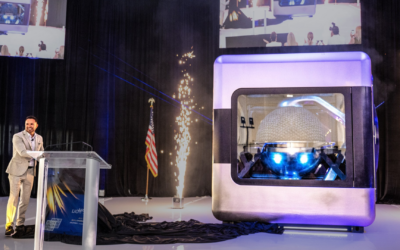
Smart Curb Management
With its aging infrastructure and a mix of urban and suburban characteristics, the implementation of dynamic curb technology can optimize parking management and reduce congestion, crucial for the revitalization of downtown Buffalo and attracting investment.

Leah Sciabarrasi

2026, May 29

Strengthening
Near-term · 2025-2026
Probable

Smart Curb Management Enhances Public Safety

Civic Infrastructure & Governance · Systems & Infrastructure · Scanned 2026-05-23

In October 2025, Buffalo launched the Smart Curb Buffalo program in partnership with Umojo, funded by the U.S. Department of Transportation’s SMART Grant. This initiative introduces dynamic curb technology, including digital signage and real-time data sensors, to communicate parking regulations, emergency alerts, and event closures directly to the public. The program aims to improve parking efficiency, enhance public safety, and strengthen coordination among emergency services. (buffalony.gov)

🎯 Why This Matters to Buffalo

The Smart Curb Buffalo program is particularly significant for Buffalo’s future as it addresses the city’s longstanding challenges related to urban mobility and public safety, especially in high-density areas. With its aging infrastructure and a mix of urban and suburban characteristics, the implementation of dynamic curb technology can optimize parking management and reduce congestion, crucial for the revitalization of downtown Buffalo and attracting investment. Furthermore, given Buffalo’s harsh winter conditions and the need for emergency services coordination during snowstorms, real-time alerts and adaptive signage will enhance community responsiveness and safety. This initiative not only reflects Buffalo’s commitment to becoming a smart city but also leverages its existing assets in technology and local innovation to improve the quality of life for its residents.

Cone of Plausibility
Probable

Active federal funding, a live implementation, and a named public-private partnership make this a high-confidence near-term development rather than a future possibility.

Main Drivers

1
Smart city initiatives
2
Public safety enhancement
3
Technological innovation

Buffalo Signals Laboratory · Civic Infrastructure & Governance

RELATED POSTS

Portable Computing Hardware Becomes Lighter

Portable Computing Hardware Becomes Lighter

For Buffalo’s burgeoning professional and tech-hybrid workforce, the transition to ultra-portable, high-performance hardware lowers the friction for localized innovation in districts like the Buffalo Niagara Medical Campus and the growing downtown tech corridor.

Inclusive Design Standards Reshape Digital Interfaces

Inclusive Design Standards Reshape Digital Interfaces

For Buffalo’s aging population and the region’s growing concentration of healthcare and biotech startups, adopting advanced accessibility standards is essential to ensuring that critical digital health and civic services remain usable for all residents.

Focus Areas