Mid-term · 2026–2031
Probable
Public Transit Mitigates Household Financial Strain
Transportation & Mobility · Place & Environment · Scanned 2026-10-12
Rising gas prices are increasingly punishing household finances, creating a significant burden that forces families to sacrifice other essential expenses. As fuel costs remain volatile, the financial strain is particularly acute for low-income households who lack viable alternatives to personal vehicle use. This trend highlights a growing need for structural shifts in how communities approach transportation and economic security.
To mitigate these pressures, policymakers are being urged to prioritize investments in public transit, bike lanes, and other non-car infrastructure. In the short term, strategies such as promoting remote work can provide immediate relief. However, long-term economic resilience depends on federal and state-level commitments to expand transit options, which not only reduce individual household costs but also generate broader economic returns and improve accessibility for diverse populations.
Main Drivers
Rising fuel price volatility
Household affordability crisis
Limited non-car transportation options
Economic benefits of transit investment
Projected Scenarios
Plausible
Aggressive Transit Expansion Reduces Regional Cost Burden
NFTA launches a major Bus Rapid Transit corridor along the Kensington Expressway, effectively decoupling low-income households in the East Side from volatile fuel costs. Simultaneously, the City of Buffalo repurposes underutilized downtown parking lots into mixed-income transit-oriented housing developments.
Buffalo transforms into a model of economic mobility where household savings are directly redirected into the local consumer economy.
Probable
Suburban Car Dependency Solidifies Economic Fragility
Investment in transit infrastructure stalls as the region doubles down on highway expansion to accommodate sprawling development in Amherst and Lancaster. Families continue to face deep financial stress, with car ownership costs consuming an even larger percentage of household income as regional public transport services are reduced to skeletal levels.
The region remains trapped in a cycle of poverty and car-dependence that stunts the economic growth of the city core.
Probable
Status Quo Transit Remains A Peripheral Utility
Public transit continues to operate as a safety net rather than a primary mobility tool for the WNY workforce. Rising fuel prices remain a persistent but background economic friction, forcing families to maintain unreliable, high-mileage vehicles just to reach employers in suburban industrial parks.
Buffalo experiences stagnant economic mobility with no structural change to the high cost of living for working-class families.
Possible
Universal Autonomous Shuttles Disrupt Regional Transit Norms
A state-funded pilot project deploys a massive fleet of autonomous, low-cost micro-transit shuttles across Erie County, rendering personal vehicle ownership unnecessary for 60% of residents. This technological leap renders existing NFTA bus routes obsolete overnight, sparking intense debate regarding labor unions and the future of public sector employment.
The physical geography of Buffalo undergoes a radical transformation as the need for vast amounts of land dedicated to vehicle storage evaporates.
🔀 Cross-Impact Analysis
×
Electric Propulsion Enables Short-Range Flight
Transforming
While high-tech propulsion attracts investment, it risks diverting funds from the basic public transit infrastructure required by WNY residents. If Buffalo prioritizes experimental transit over reliable bus or rail systems, the existing economic divide between residents who own vehicles and those who do not will deepen.
×
Personal Electric Aviation Gains Regulatory Momentum
Counteracting
Personal air mobility targets affluent travelers, which runs counter to the primary goal of providing affordable transit for the working class in WNY. The focus on private air travel risks neglect of the critical public infrastructure needed to help families cope with rising household costs.
×
Autonomous Drones Disrupt Ground Logistics
Reinforcing
Autonomous logistics could remove heavy trucking from Buffalo’s aging highway infrastructure, creating space to repurpose lanes for public transit or bike lanes. This shift would simultaneously lower the public cost of road maintenance and offer more efficient, cost-effective transport options for households.
×
Premium Rail Travel Experiences Expand
Transforming
Premium rail could revitalize Buffalo’s Central Terminal, blending regional economic development with transit goals. However, if the development favors luxury over accessibility, it may fail to alleviate the financial burden for low-income families who rely on basic transit for daily commutes.
×
Electric Flying Car Racing Emerges
Counteracting
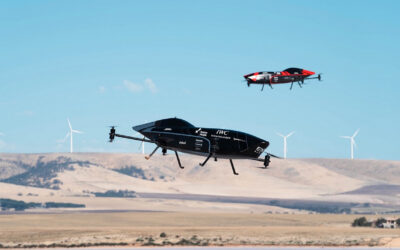
The emergence of eVTOL racing represents a niche hobby for the wealthy that offers no relief for WNY’s pressing affordability crisis. It directs regional focus toward speculative entertainment rather than investing in the bus and rail connectivity that could immediately stabilize household finances.
×
Autonomous Delivery Drones Disrupt Residential Environments
Reinforcing
Drone delivery may reduce the reliance on fuel-consuming delivery vans, indirectly supporting the movement toward less vehicle-dependent neighborhoods in Buffalo. This trend forces a necessary conversation about repurposing residential street space away from cars and toward integrated, multimodal transit solutions.
🌊 Cascading Implications
Sources & Links
Rising Gas Prices Are Punishing Household Finances. Policymakers Should Invest in Transit to Reduce Household Costs.
Urban Institute · Sep 29, 2026
Buffalo Signals Laboratory · Transportation & Mobility