Near-term · 2026–2030
Probable
Demographic Disparities Influence Voter Participation
Civic Infrastructure & Governance · Systems & Infrastructure · Scanned 2026-10-07
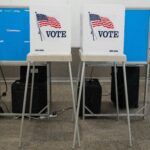
Analysis of voter participation reveals persistent gaps in turnout across various demographic segments. Data indicates that individuals who are renters, unemployed, or living with disabilities consistently report lower voting rates compared to the national average. Conversely, veterans and government employees demonstrate higher-than-average participation levels in midterm elections.
These participation disparities suggest that civic engagement remains unevenly distributed across the population. As midterm elections continue to serve as critical indicators of political sentiment, the structural barriers or motivational factors influencing these specific groups will likely continue to shape the composition of the electorate and the resulting policy priorities in the coming years.
Main Drivers
Socioeconomic status and housing tenure
Employment and disability status
Institutional engagement among veterans and public workers
Historical turnout gaps between presidential and midterm cycles
Projected Scenarios
Probable
Growing Political Segregation by Housing Tenure
Homeowner-heavy suburbs like Amherst and Orchard Park see voter turnout surge, while high-density rental districts on Buffalo’s East Side and West Side see plummeting participation. Local advocacy groups like PUSH Buffalo struggle to mobilize tenants as policy debates increasingly prioritize infrastructure investments in affluent areas over urban services.
WNY governance becomes increasingly skewed toward the priorities of property owners, leaving the regional rental population without a significant voice in local legislative budget cycles.
Plausible
Civic Inclusion Initiatives Bridge Voting Gaps
Targeted outreach programs by the League of Women Voters and expanded access to mobile polling stations in disability-supported housing stabilize turnout. Increased coordination between labor unions and Buffalo’s manufacturing hubs helps engage unemployed workers in the political process, shrinking the participation divide.
Buffalo achieves a more representative democracy that aligns policy outcomes with the needs of its most vulnerable residents rather than just its most consistent voters.
Probable
Persistent Turnout Gaps Remain Status Quo
Election seasons continue to mirror historical trends where Buffalo’s veterans and civil servants drive the regional vote, while the city’s transient rental population remains largely disengaged. The divide becomes background noise, with local media reporting on the same predictable geographic split every two years.
The regional political agenda remains stagnated, reflecting only the interests of established voting blocs and ignoring the shifting demographic realities of Western New York.
Possible
Radical Youth-Led Renters Alliance Disrupts Elections
A sudden grassroots movement utilizing digital platforms organizes Buffalo’s massive student and transient renter population into a single, cohesive voting bloc. This unexpected coalition forces a massive shift in local elections, ousting long-term incumbents and demanding radical changes to zoning laws and tenant protections.
A rapid power shift in the Buffalo Common Council fundamentally alters the region’s development trajectory by prioritizing affordable housing over traditional tax-base growth models.
🔀 Cross-Impact Analysis
×
Tribal Sovereignty Challenges Municipal Zoning Authority
Transforming
Legal clashes over zoning on sovereign land introduce a new variable into voter mobilization efforts within WNY tribal communities. As these disputes evolve, they could shift from simple land-use conflicts into powerful catalysts for increased civic participation among populations typically marginalized in municipal elections.
×
Community Engagement Shapes Public Space Utility
Reinforcing
Integrating demographic-sensitive engagement strategies into Buffalo’s urban planning efforts directly addresses the participation gaps among renters and those with disabilities. By designing public spaces that reflect the needs of these groups, the city can build the foundational social trust required to boost long-term voter engagement.
×
Urban Infrastructure Decay Triggers Emergency Governance
Counteracting
The heavy reliance on emergency declarations to manage crumbling infrastructure may inadvertently alienate the very demographics most affected by decay, such as renters in underserved neighborhoods. This reactive governance model risks deepening feelings of disenfranchisement, potentially lowering turnout further by signaling that local systems are unable to address structural needs through standard political channels.
×
Legislative Efforts Standardize Daylight Saving Time
Reinforcing
Standardizing time could simplify the logistical challenges of reaching voting polls for hourly workers and those juggling multiple jobs in the Buffalo service sector. This adjustment creates a more consistent schedule that supports higher accessibility, particularly for populations currently reporting lower-than-average participation.
×
Wastewater Infrastructure Modernization Accelerates
Reinforcing
Targeted infrastructure investment offers a tangible demonstration of government efficacy that can boost institutional confidence among residents in neglected wards. When utility upgrades are clearly linked to public health and property value, it creates a feedback loop that encourages more active participation in local governance.
×
Expanding Institutional Support For Responder Wellness
Transforming
Strengthening the mental health infrastructure for public servants reinforces the already high engagement levels of government employees in the WNY region. This support could shift the focus of public sector workers toward becoming more vocal advocates in local political discourse, further distinguishing their voting impact from the general electorate.
🌊 Cascading Implications
Sources & Links
Buffalo Signals Laboratory · Civic Infrastructure & Governance